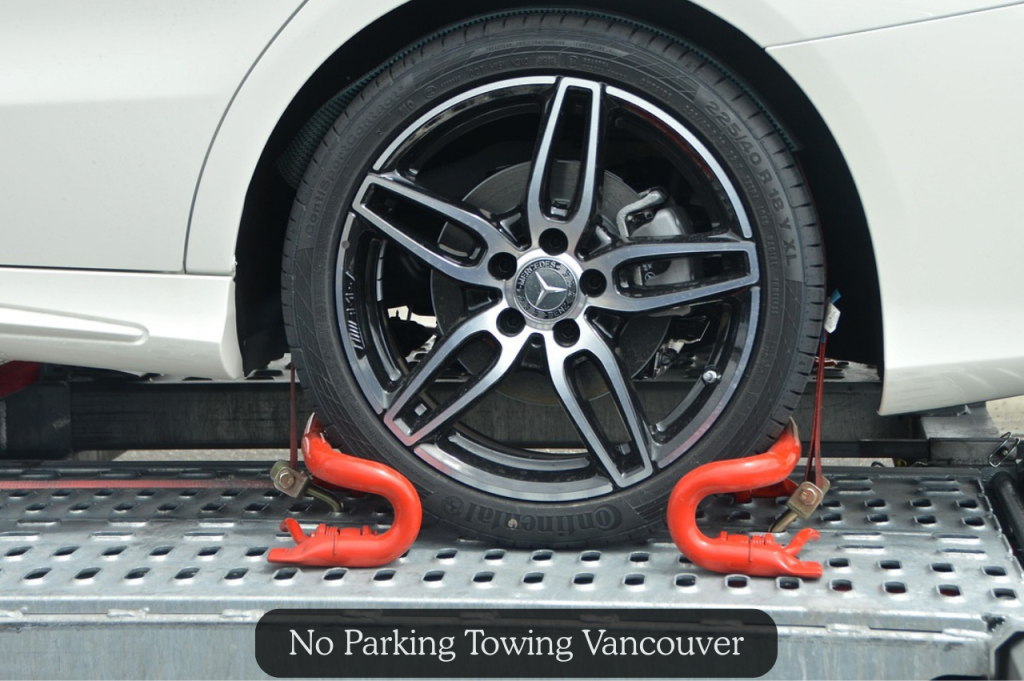
Parking in Vancouver is not easy. As a result, many people have their cars towed because the city enforces parking rules. Therefore, if you live in Vancouver, you should understand how parking enforcement works to avoid being surprised by a tow.
There are two types of tow trucks in the city: city-ordered towing for parking violations and private property impound towing for unauthorized parking on private lots. Both of these can result in a rapid tow truck removal of your vehicle. Both of these can result in a rapid tow truck removal of your vehicle.
To help with this, we have come up with a guide that covers everything you need to know about No Parking Towing Vancouver. By knowing this information, you can save yourself from stress, extra fees, and lost time.
What “No Parking” Actually Means in Vancouver
The ‘No Parking’ sign in Vancouver allows you to stop your vehicle to pick up or drop off passengers or load/unload items. You must remain with your vehicle and not leave it unattended. You can park for 5 minutes unless you have a valid SPARC placard, which allows you to park for 30 minutes.
Vehicles must not park within 5 meters (16 feet) of a fire hydrant. Even in rush hour zones, you cannot park at specific times. And many main roads prohibit parking during peak traffic hours. These rules exist to enhance safety, prevent blockages, and ensure smooth traffic and emergency access.
Why Vehicles Get Towed for No Parking Violations
Vancouver authorities often tow cars that block private property, park in fire lanes or safety zones, ignore time limits or rush-hour rules, or use private lots without permission.
It’s important to know the distinction between city enforcement and private property impounds. City tow trucks follow municipal rules, while private lots enforce regulations to keep spaces for tenants, businesses, and authorized visitors. Understanding these reasons helps drivers avoid fines, stress, and unexpected towing.
No Parking Towing Vancouver Rules and Regulations
Now, let’s review Vancouver’s no-parking towing rules and regulations.
If Vancouver authorities tow your vehicle, it is likely because you failed to comply with some rules. The City bylaws contain the main rules that govern where you can park and the grounds for towing. So, you should know what those bylaws state before parking your vehicle in Vancouver to avoid being caught off guard.
In addition, you must follow the city’s other regulations when towing from private property. Property owners must post proper signage clearly and legibly before removing a vehicle.
For example, “No Parking” or “Tow Away” signs must inform drivers that their vehicle is in danger of being towed.
There are specific processes that all towing service providers, whether private property impound Vancouver or car impound Vancouver service providers, must follow, including documentation of the tow, issuing receipts, and providing for the safe storage of your vehicle until you retrieve it.
In addition, you have rights when it comes to your vehicle being towed. You have the right to receive appropriate documentation of your vehicle being towed, proof of ownership, and a smooth process for retrieving your vehicle.
Costs of No Parking Towing in Vancouver: What You Can Expect to Pay
If you are not ready, getting your car towed for a no-parking violation in Vancouver will cost you a lot. The usual starting fee for a basic tow ranges from about $100 to $150; still, very quickly, all the extra charges may come too. If you take your car after hours, usually, besides the daily storage rates, there is also an after-hours release fee. Moreover, some providers could impose an administrative fee that is needed to process the tow or even for the distance towing.
Furthermore, it is a good idea to be aware of the differences between city tow and private property impound Vancouver costs. The city tows are under the municipal regulations. However, the private property impound companies charge slightly more for towing and storage.
How to Avoid No Parking Towing Vancouver Costs
Up until now, we have already discussed what ‘No Parking’ refers to, the no-parking towing rules and regulations, and the costs involved. Now, let’s look at tips on how to avoid getting your car towed in the city.
- Read all Signs Carefully
- Avoid unmarked private lots, as doing so can lead to quick private property impound.
- Always use paid parking applications to locate legal areas.
- If the signs are confusing, take photos to help dispute a tow.
- Park away from high-risk areas, such as hydrants and fire lanes.
- Check for special occasion restrictions.
- Make sure to cross-check the meter hours and rates, especially for weekends and holidays.
- Don’t park in places meant for buses or deliveries.
- If you are parking in a high-enforcement area for a long time, do a rotating policy on your designated parking spot to minimize risk.
Conclusion
All in all, the key point is that understanding the No Parking towing Vancouver rules can help you save time, money, and unnecessary stress. You can avoid fines by paying attention to signage and understanding the differences between city and private property tows. If you ever require expert assistance, our skilled team handles private property impound in Vancouver quickly and efficiently. Contact us now for no-parking towing!
Frequently Asked Questions
Who can pick up my vehicle from the impound in Vancouver?
You can pick up your vehicle from impound in Vancouver, or authorize someone else with proper documentation and, if needed, a valid driver’s license.
How can I find my towed vehicle in Vancouver?
In Vancouver, you can find your towed vehicle by checking the tow-away sign at the site. This includes the name and address of the company that impounded it.
What should I do to get my car out of impound?
You need a valid driver’s license, evidence of ownership (such as your registration), and cash for towing and storage fees. If someone else picks up your car, they also require valid authorization.